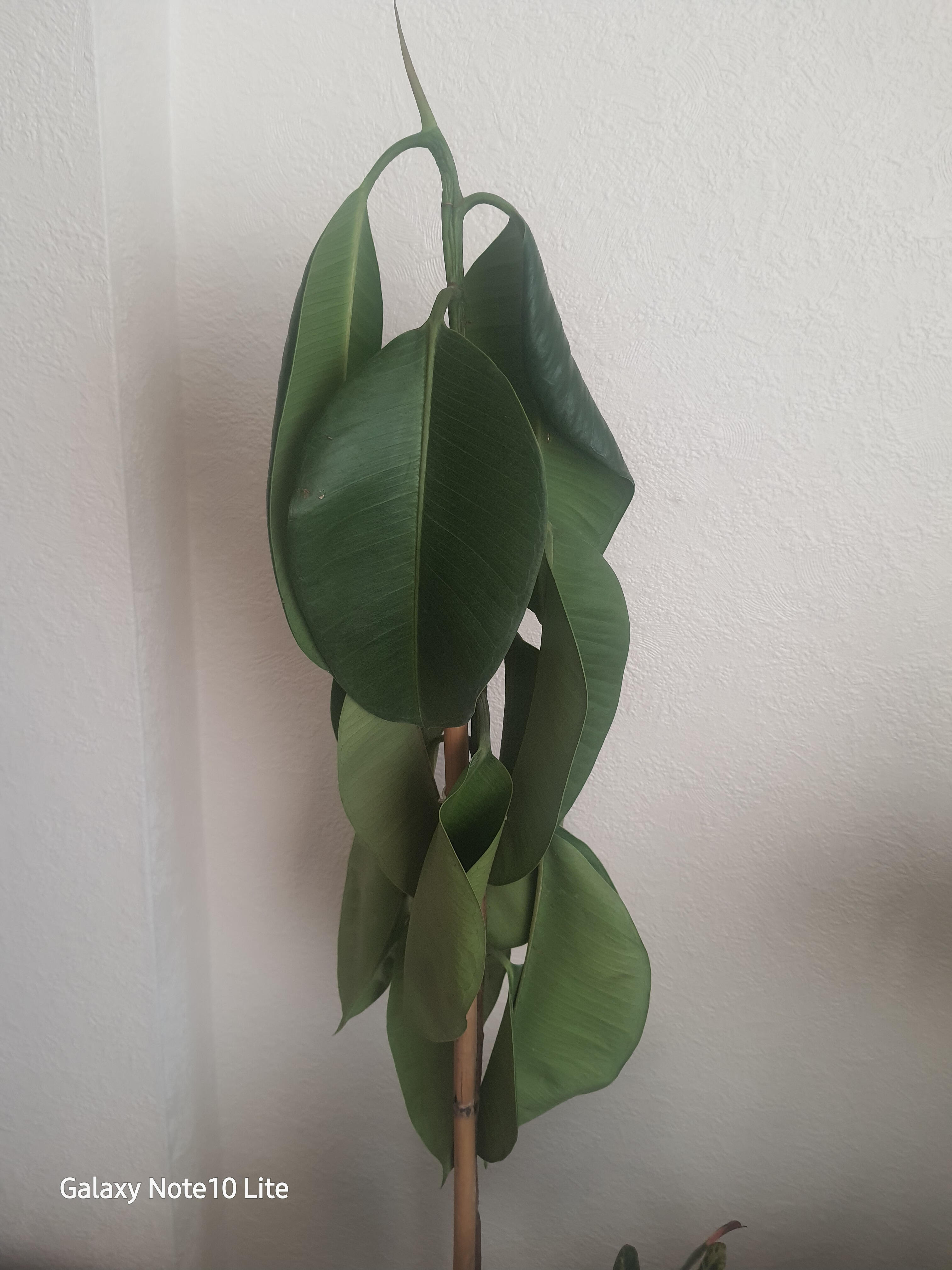
Why are the leaves of my plant drooping and curling as shown in the picture?
Answer:
The symptoms visible in your plant’s leaves—drooping and curling—are classic signs of stress. Based on the image you shared, here are the most common causes and how to address them:
Table of Contents
- Possible Causes of Drooping and Curling Leaves
- Detailed Explanation of Each Cause
- How to Diagnose Your Plant’s Problem
- Step-by-Step Care Recommendations
- Summary Table of Causes and Solutions
1. Possible Causes of Drooping and Curling Leaves
- Underwatering
- Overwatering
- Low humidity
- Temperature stress (too cold or too hot)
- Pest infestation
- Nutrient deficiencies
- Root problems (root rot or compacted roots)
2. Detailed Explanation of Each Cause
Underwatering
- When a plant does not receive enough water, its leaves lose turgor pressure and start to droop and curl to conserve moisture.
- Leaves may feel dry or crispy at the edges.
- Soil will be dry several inches below the surface.
Overwatering
- Excess water causes root oxygen deprivation, leading to root rot.
- Leaves become limp, droopy, and may curl downward.
- Soil remains wet or soggy for long periods.
- Roots may smell foul or appear blackened if inspected.
Low Humidity
- Many indoor plants prefer humidity levels above 40-50%.
- Dry air causes leaf edges to curl and droop.
- Common in heated or air-conditioned rooms.
Temperature Stress
- Exposure to cold drafts or temperatures below the plant’s tolerance causes leaf curling and drooping.
- Excessive heat can cause similar symptoms by increasing transpiration and water loss.
Pest Infestation
- Pests like spider mites, aphids, or thrips suck sap, causing leaf curling and wilting.
- Look for tiny webs, sticky residue, or visible insects.
Nutrient Deficiencies
- Lack of essential nutrients (especially potassium, magnesium) can cause leaf deformities.
- Usually accompanied by discoloration.
Root Problems
- Compacted or damaged roots cannot absorb water properly.
- Root rot from overwatering kills roots, causing drooping leaves.
3. How to Diagnose Your Plant’s Problem
| Step | What to Check | How to Check |
|---|---|---|
| 1 | Soil moisture | Insert finger 2-3 inches deep; dry or wet? |
| 2 | Leaf texture and color | Dry/crispy or soft/mushy? |
| 3 | Presence of pests | Inspect undersides of leaves and stems |
| 4 | Humidity and temperature conditions | Use a hygrometer and thermometer near the plant |
| 5 | Root health (if possible) | Gently remove plant to inspect roots for rot or compactness |
4. Step-by-Step Care Recommendations
| Cause | Action |
|---|---|
| Underwatering | Water thoroughly until water drains out; increase watering frequency moderately |
| Overwatering | Allow soil to dry before watering again; improve drainage; repot if root rot is detected |
| Low Humidity | Increase humidity with pebble trays, humidifiers, or misting |
| Temperature Stress | Move plant away from drafts, heaters, or direct hot sun |
| Pests | Treat with insecticidal soap, neem oil, or appropriate pesticide |
| Nutrient Deficiency | Fertilize with balanced, water-soluble fertilizer according to package instructions |
| Root Problems | Repot in fresh, well-draining soil; trim damaged roots; ensure pot has drainage holes |
5. Summary Table of Causes and Solutions
| Symptom | Likely Cause | Diagnostic Tip | Solution |
|---|---|---|---|
| Drooping + dry, curled leaves | Underwatering | Dry soil 2-3 inches deep | Water deeply; increase watering frequency |
| Drooping + soft, curling leaves | Overwatering | Wet soil; root rot signs | Reduce watering; improve drainage; repot |
| Leaf edges curling, dry air | Low humidity | Measure humidity < 40% | Increase humidity around plant |
| Drooping + temperature extremes | Temperature stress | Check room temp and drafts | Relocate plant to stable temperature zone |
| Curling + visible pests | Pest infestation | Inspect leaves/stems for insects | Apply pest control methods |
| Curling + discoloration | Nutrient deficiency | Look for yellowing or spots | Fertilize appropriately |
| Drooping + root issues | Root rot or compaction | Inspect roots | Repot; trim damaged roots |
 Summary
Your plant’s drooping and curling leaves are a clear sign of stress, most commonly due to watering issues or environmental factors like humidity and temperature. Start by checking soil moisture and environmental conditions. Adjust watering habits and improve humidity if needed. Inspect for pests and root health as well.
By carefully diagnosing and addressing these factors, your plant can recover and thrive again.
If you want, I can help you identify the plant species for more tailored care advice.